ByJohn A
How to Build a Fitness App Users Will Keep Using
A successful fitness app does more than count steps or display workouts. Users expect clear goals, simple navigation, useful progress tracking, and enough personalization to keep the experience relevant. Whether you are planning a startup product, gym companion, or wellness platform, success starts with solving a specific user problem.
Before development begins, define who the product serves, what value it provides, and how users will measure progress. These decisions influence the features, design, budget, technology, and business model that follow.
Start With a Clear User Problem
A strong product idea begins with a focused audience. Some people want guided home workouts, while others need running plans, strength programs, nutrition tracking, or coaching support. Trying to serve every group from the first release often creates a crowded product without a clear purpose.
Create a simple user profile before planning features. Consider the person’s fitness level, preferred activities, schedule, motivation, equipment, and common frustrations. Beginners may need detailed exercise guidance, while experienced athletes may care more about performance records and advanced tracking.
Your product should also have one clear promise. It might help people complete short home workouts, build a running habit, or follow a structured strength program. That promise should guide major product decisions.
See also: 10 Things You Didn’t Know About Jackson Mahomes Age and Life
Choose Features That Support the Main Goal
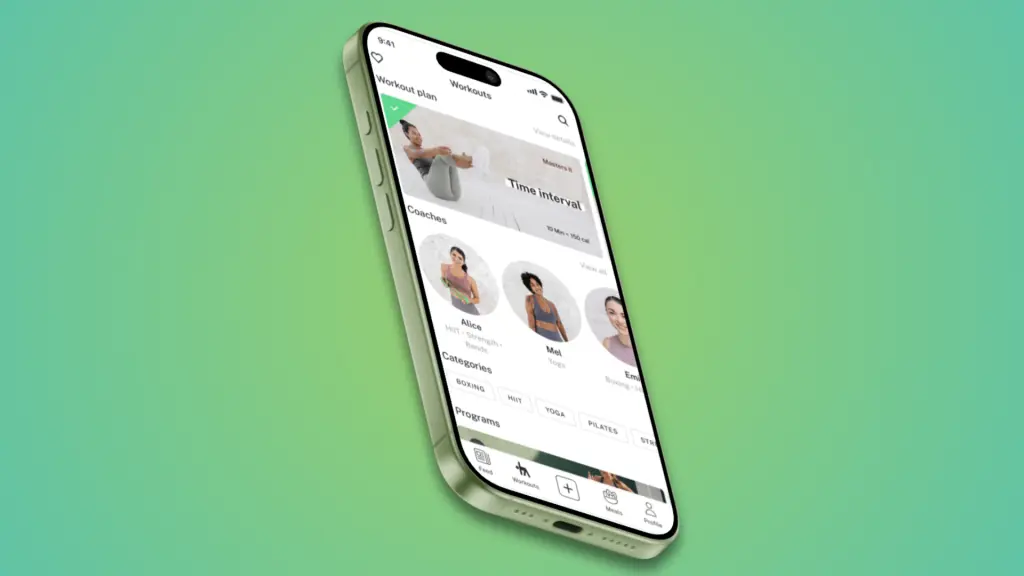
Feature planning should start with the core user journey. A fitness app may include onboarding, workout plans, exercise videos, progress tracking, reminders, subscriptions, and device integrations. However, not every feature belongs in the first version.
Start with the smallest set of functions needed to deliver real value. A workout product might initially need a training library, plan selection, exercise instructions, timers, and workout history.
Social feeds, competitions, live classes, advanced analytics, and wearable integrations can come later. Releasing a focused first version lowers complexity and provides useful feedback before more money is committed.
Design a Fitness App for Fast Daily Use
People often use workout software while exercising, moving between machines, or short on time. Important actions should therefore be obvious. Starting a workout, logging an exercise, checking progress, or pausing a timer should require minimal effort.
Use readable text, clear labels, simple menus, and sufficiently large touch targets. Avoid placing too many options on one screen. Users should understand their next action without reading long instructions.
Keep onboarding short as well. Ask only for information that improves the experience, such as goals, activity level, available equipment, and preferred workout days.
Make Personalization Useful
Personalization does not always require complicated artificial intelligence. Simple rules can create meaningful recommendations. Someone choosing beginner strength training, three weekly sessions, and no equipment can receive a plan matching those preferences.
User activity can refine the experience later. Someone completing sessions consistently might receive more challenging options. A person frequently skipping long sessions could be offered shorter workouts.
Give users control over these recommendations. Automated suggestions become more useful when people understand why they receive them and can change their preferences.
Treat Workout Content as Part of the Product
Workout content deserves the same attention as software development. Exercise names, instructions, videos, rest periods, difficulty ratings, and safety guidance should follow a consistent structure.
Organize content by useful categories such as goal, muscle group, equipment, workout duration, and difficulty. Good categorization makes search and filtering easier while supporting future personalized recommendations.
Health-sensitive information requires additional care. Products covering injuries, nutrition, rehabilitation, or medical topics should avoid presenting general information as individualized medical advice. Qualified professionals should review specialized content where appropriate.
Understand the Main Development Costs
The cost to make a fitness app depends heavily on its scope. Platform choice, interface complexity, custom content, backend infrastructure, payment systems, integrations, and administrative tools can all affect development effort.
A basic workout platform with a small exercise library and progress history requires fewer resources than a service offering live classes, social communities, subscriptions, wearable syncing, video streaming, and advanced analytics.
Expenses also continue after release. Hosting, software updates, bug fixes, customer support, content creation, security maintenance, and product improvements require ongoing resources.
Separate essential launch features from future upgrades during budgeting. This gives the project more financial flexibility and reduces the risk of spending heavily on features before demand is proven.
Select a Suitable Technology Approach
Technology decisions should support the product rather than follow trends. Native development can provide strong performance and close integration with device features. Building separate applications for iOS and Android, however, can require additional resources.
Cross-platform development may reduce duplicated work when both platforms need similar functionality. The right approach depends on performance requirements, integrations, team skills, budget, and long-term maintenance plans.
Backend systems may need to manage accounts, workouts, subscriptions, notifications, media, and analytics. Wearable integrations also require careful planning because permissions, syncing behavior, and data handling affect the user experience.
Protect User Data and Build Trust
Workout platforms may collect personal information, activity history, goals, body measurements, location data, or health-related details. Users should clearly understand what information is collected and how it supports the service.
Collect only the data genuinely required. Use secure account access and protect sensitive information during storage and transmission. Request device permissions only when a specific feature needs them.
Payment practices matter too. Subscription prices, renewal terms, trials, and cancellation processes should be easy to understand. Confusing billing experiences can damage trust even when the product performs well.
Test With Real User Behavior
Technical testing finds bugs, but usability testing reveals whether people can actually complete important tasks. Features that appear obvious to developers may confuse first-time users.
Test common actions such as registering, selecting a goal, starting a workout, logging progress, changing preferences, and managing a subscription. Watch for hesitation, repeated mistakes, unnecessary taps, and abandoned screens.
Early user feedback can expose problems before they become expensive to fix. Improving navigation during an early release is much easier than rebuilding a complicated product after significant growth.
Choose a Business Model That Fits
Common monetization models include subscriptions, free access with premium upgrades, one-time purchases, coaching packages, advertising, and partnerships with gyms or employers.
Subscriptions make sense when users receive continuing value through new programs, fresh content, coaching, or deeper insights. One-time payments may suit simpler tools requiring fewer ongoing services.
The right fitness app business model should support the user experience rather than constantly interrupt it. Free users should receive enough value to understand the product before being asked to pay.
Measure Retention After Launch
Downloads alone reveal little about long-term product quality. Track whether people finish onboarding, begin workouts, return regularly, complete programs, and maintain paid subscriptions.
User behavior can identify areas needing improvement. If many people leave after their first workout, the issue could involve difficulty, onboarding, or unclear next steps. If people use the free version regularly but rarely upgrade, the paid offering may need clearer value.
Product improvements should follow evidence from real usage instead of assumptions.
Build Around a Focused Outcome
Strong products usually begin with a narrow purpose, simple user journey, and manageable feature set. Reliable content, thoughtful design, suitable technology, responsible data practices, and regular testing create a foundation that can expand as users provide feedback.
Before approving development, compare your desired features with available resources and the expected business model. Reviewing the cost to make a fitness app within that broader plan helps control unnecessary spending and keeps investment focused on features people are most likely to use