
ByJohn A
Music Generation: Symbolic vs Raw Audio Models
Music created by machines is rising like a new kind of orchestra, one where the musicians never tire and the notes do not rely on fingers or breath but on patterns of thought woven into digital frameworks. Instead of defining artificial intelligence in the usual way, imagine a vast musical library where a silent conductor guides every instrument through intuition rather than sheet music. This conductor senses mood, tone and rhythm as if reading the emotional weather in a room. Within this metaphor sits the heart of the modern music generation.
The Two Roads of Machine Music
When machines compose, they walk one of two primary paths. The first is the symbolic road, where music is treated like written language. Notes become letters, chords become words and entire compositions become sentences. The second is the raw audio road, where models operate directly on sound waves. Instead of interpreting symbolic cues, they interact with the texture and colour of sound itself.
Many learners first meet these approaches when exploring advanced tools through a generative AI course that introduces how systems decide what kind of output to create. Both roads lead to musical expression, yet the way they travel could not be more distinct.
Symbolic Models: The Composer With Ink
Symbolic models operate like traditional composers who sit quietly with a blank sheet, listening inwardly before each stroke of the pen. They work with MIDI representations, breaking music into discrete events like pitch, velocity and duration. These models excel at structural clarity. They understand rhythm with the precision of a seasoned percussionist and harmony with the intuition of a classical theorist.
The real strength of symbolic systems lies in their ability to manipulate musical form. They can stretch or compress motifs, transpose themes or recombine patterns with astonishing fluency. Much like a composer rearranging notes before rehearsal, these models sketch the blueprint while leaving the performance to external synthesizers.
Symbolic generators shine when a user needs control. They allow edits, stylistic injections and rule based constraints. They are the architects of musical logic, operating in a world where emotion is translated into symbols before being rendered as audible sound.
Raw Audio Models: The Painter of Sound
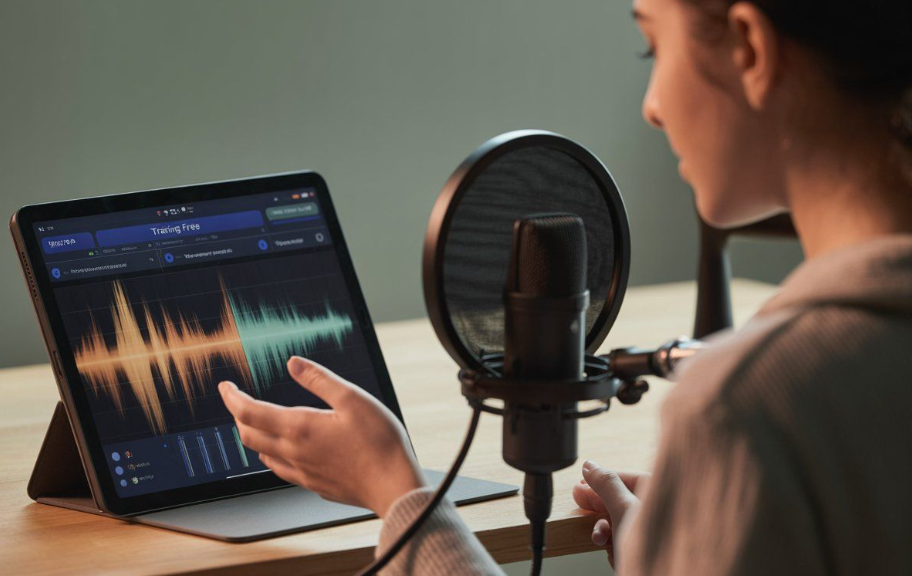
Raw audio models take the opposite approach. Instead of thinking in symbols, they sculpt waveforms directly. They are less like composers and more like painters who dip brushes into colour and movement. Systems such as Jukebox exemplify this craft, where every second of output is shaped through millions of micro decisions. These models do not ask what note should be played next. They ask what the very vibration should feel like.
Working with raw audio means embracing complexity. It involves high dimensional data where slight shifts produce dramatic changes. Instead of a tidy score, the model navigates turbulent sonic landscapes. It captures breaths, distortions, textures and expressive imperfections. This approach brings realism that symbolic systems cannot match, delivering voices that growl or soar and instruments that feel alive rather than simulated.
The tradeoff is control. Raw audio models can be unpredictable, sometimes drifting into experimental corners or creating artefacts that feel like accidental static. Yet their expressive power makes them ideal for recreating genres where authenticity comes from nuance rather than notation.
The Creative Tension Between Structure and Texture
Comparing symbolic and raw audio models is like comparing architectural design with sculpture. One prioritises form, the other prioritises texture. Symbolic models give users precision. They outline the skeleton of a piece with mathematical clarity. Raw audio models, however, give users richness. They fill the world with warmth, crackle, breath and emotional grit.
In practical workflows, creators often combine both. A symbolic model might generate a melody or chord progression while a raw audio model handles expressive rendering. This blend mirrors how human artists work. A songwriter may sketch a melody at a piano but relies on performers and production spaces to bring colour and life to the final track.
As music generation tools expand in capability, professionals, hobbyists and researchers increasingly explore both pathways. Many find that a deeper understanding begins with structured learning formats, often found in a generative AI course, where both symbolic and audio approaches are studied side by side.
See also: M&T Mortgage: Your Guide to Home Financing
The Future of Machine Crafted Music
The future of music generation lies in unifying structure and sound. Hybrid architectures are emerging that can interpret symbolic sequences while also shaping raw waveforms with emotional precision. Soon, models may understand not only what notes to play but why those notes matter in the narrative of a composition.
We may see personalised music engines that learn an individual’s emotional patterns or adaptive systems that compose music in real time during games, therapy sessions or immersive virtual environments. What remains constant is the longing for expression. Even in the digital world, creation remains a deeply human endeavour.
Conclusion
Machine generated music is no longer an experiment but a growing branch of creative technology. Symbolic models write with clarity and control, while raw audio models paint with texture and intensity. Together, they form a spectrum of possibility that mirrors the diversity of human artistry. As these models mature, the boundary between musical intention and machine collaboration will blur, opening new possibilities where creativity flows between composer and code with equal partnership.